Xinjiang Unveiled: The Foreigner, The Chinese, The Uyghur
In the first of this 4-part series by my partner S, he puts pen to paper on our experience in China’s Far West, 15 years after riots first broke out in Urumqi. This is what we saw — and felt — as travelers passing through the restive region.
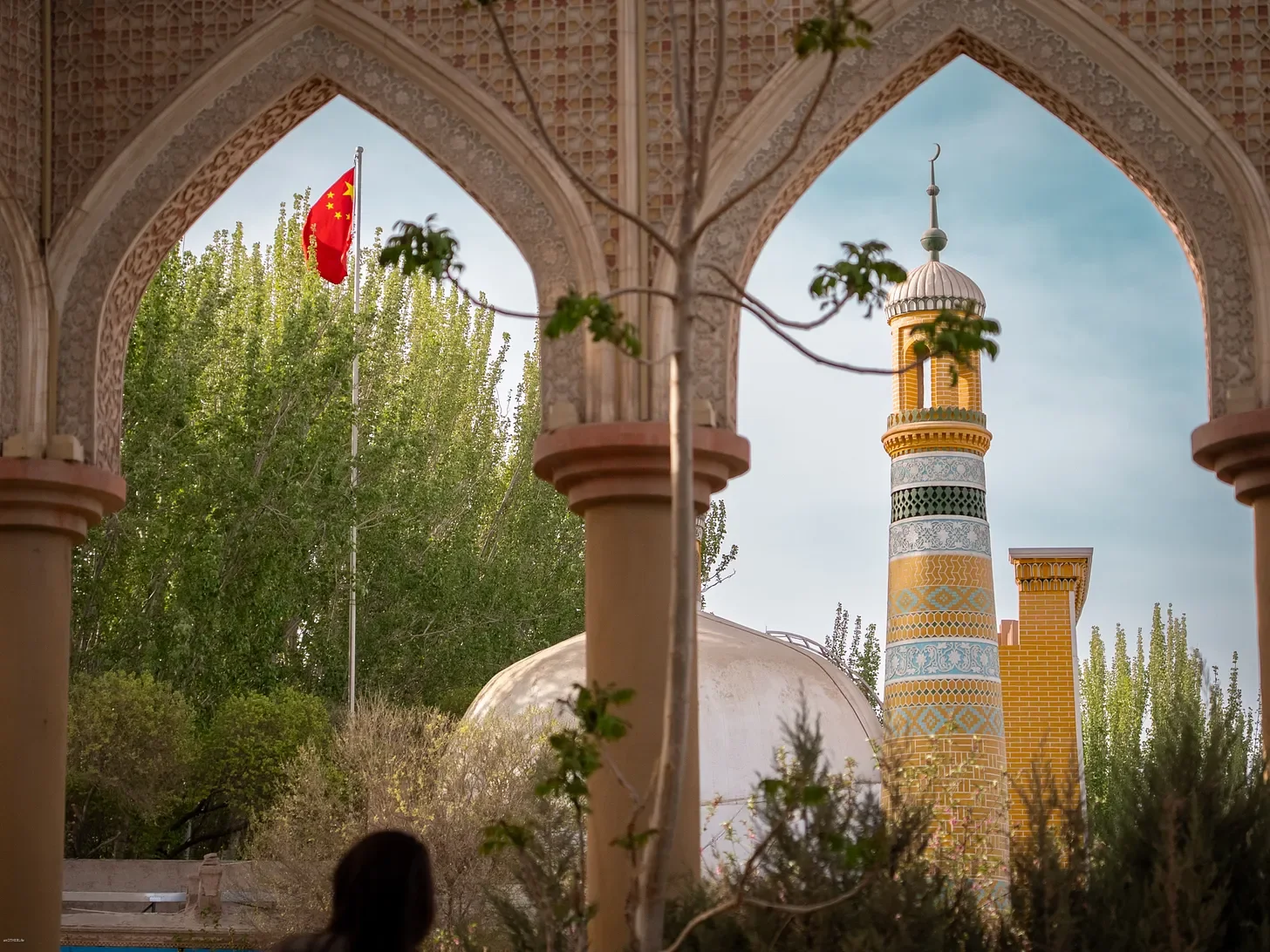
In Kashgar, Xinjiang, a towering Chinese flag stands shoulder to shoulder with a mosque minaret. Everywhere we went, we saw stark symbols of modern state power looming over centuries of faith.
After a decade of backpacking through some 40 countries combined, we’ve come to understand this: travel is a deeply subjective experience. Human perception is a fragile lens — clouded by mood, fatigue, and the unpredictability of circumstance. A single encounter can colour an entire experience. Finding yourself stuck with an ill-tempered driver on a week-long roadtrip through the Kazakh wilderness could sour your view of an otherwise magnificent country. Meeting border officials in Bolivia soliciting bribes could make you write off an entire nation of humble and generous people as money-grubbing and corrupt.
When you’re tired, hungry and cold, sometimes your mind gets lazy. So to conserve energy, you simplify, you speculate, and you stereotype.
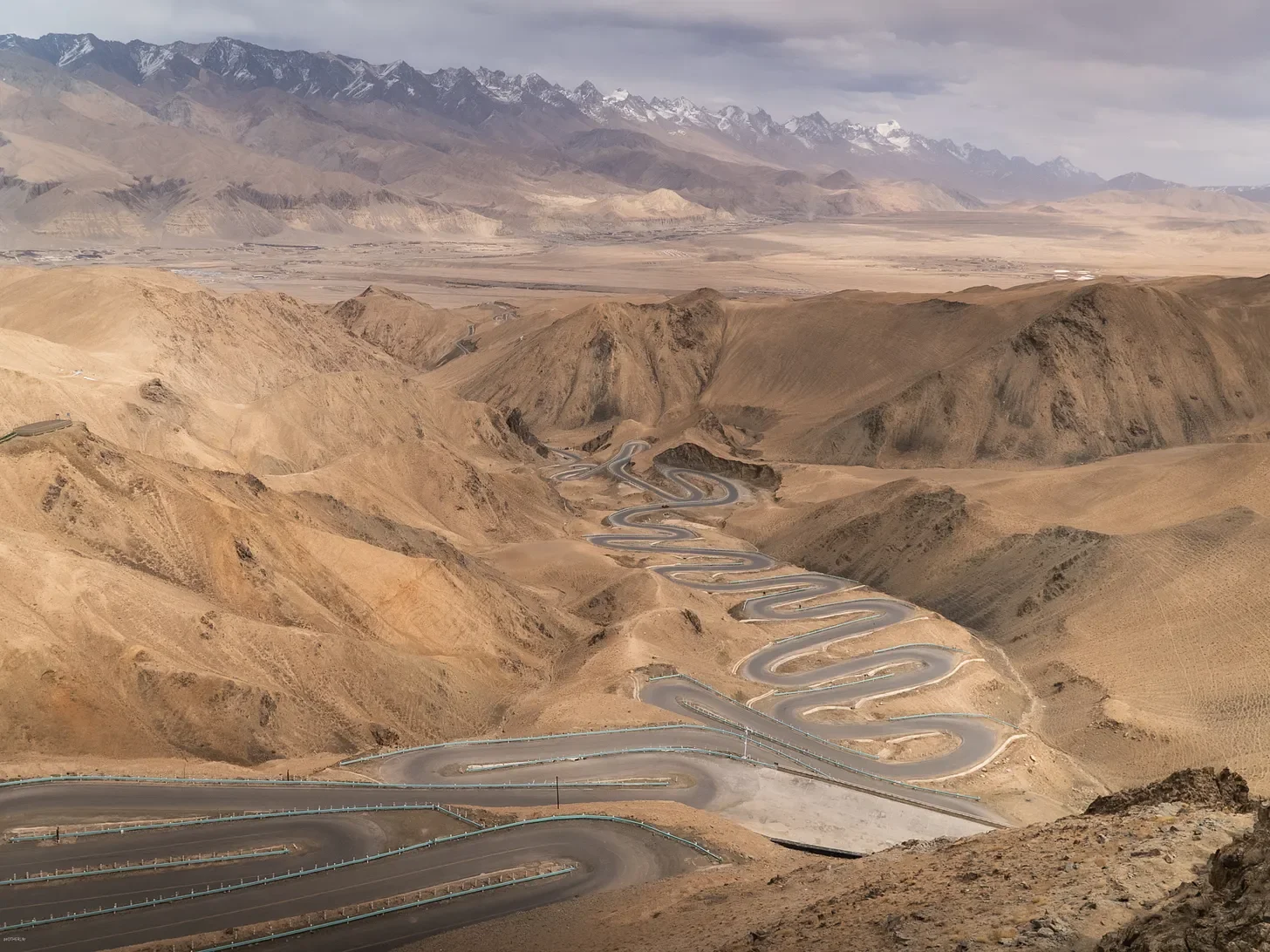
The Panlong “Winding Dragon” Highway snakes 36 kilometres through the ancient Kunlun Mountains, a modern artery cutting into Xinjiang’s remote western landscape. Navigating its 600-plus sharp bends left us feeling a bit queasy.
In the summer of 2024, we traveled to Xinjiang, a vast and storied region in China’s Far West — and the ancestral homeland of the Uyghur people. What began as a simple journey quickly turned into an emotionally charged encounter with a land caught in the crosscurrents of history, power, and resistance.
Xinjiang remains one of the most contested places on earth. For centuries, Uyghur aspirations for autonomy have clashed with the might of the Chinese state. Today, the region exists under a heavy veil, with wildly different accounts of its reality. Some travelers speak of its striking beauty and newfound peace and stability, while countless reports detail systemic repression and cultural erasure.
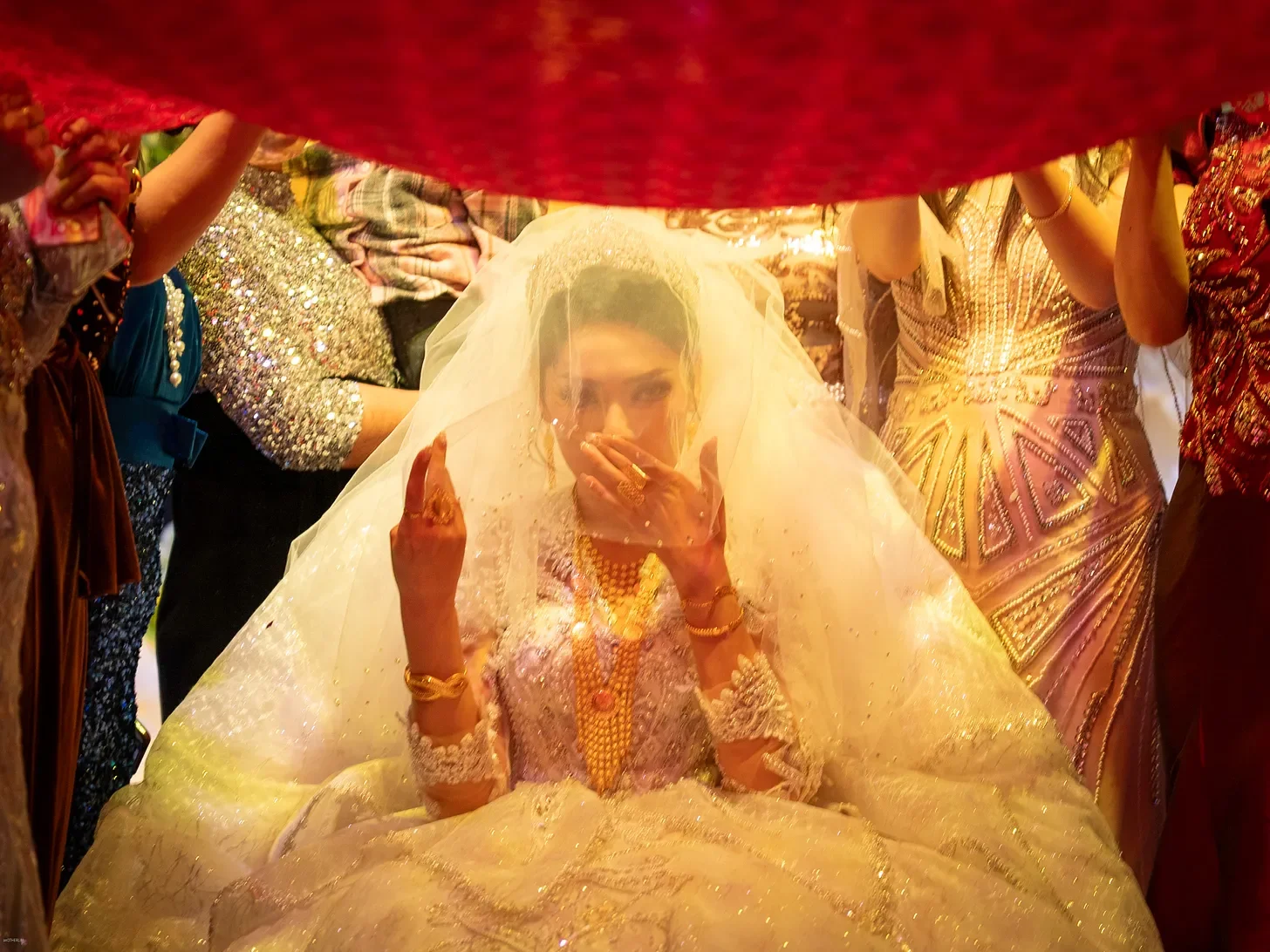
Amid days filled with music, dance and communal feasting, we caught a Uyghur bride enjoying a brief moment of respite during her wedding festivities.
We wanted to experience Xinjiang for ourselves — to step beyond the headlines and hearsay, and attempt to grasp the complex tapestry that defines this ancient land. Along the way, we wrestled with our own biases, asked questions that didn’t always feel safe to ask, and stayed long enough to hear the stories not just spoken, but withheld. Again and again, we discovered that the loudest truths often lived in what wasn’t said — in the hesitations, the guarded glances, and the silences that followed.
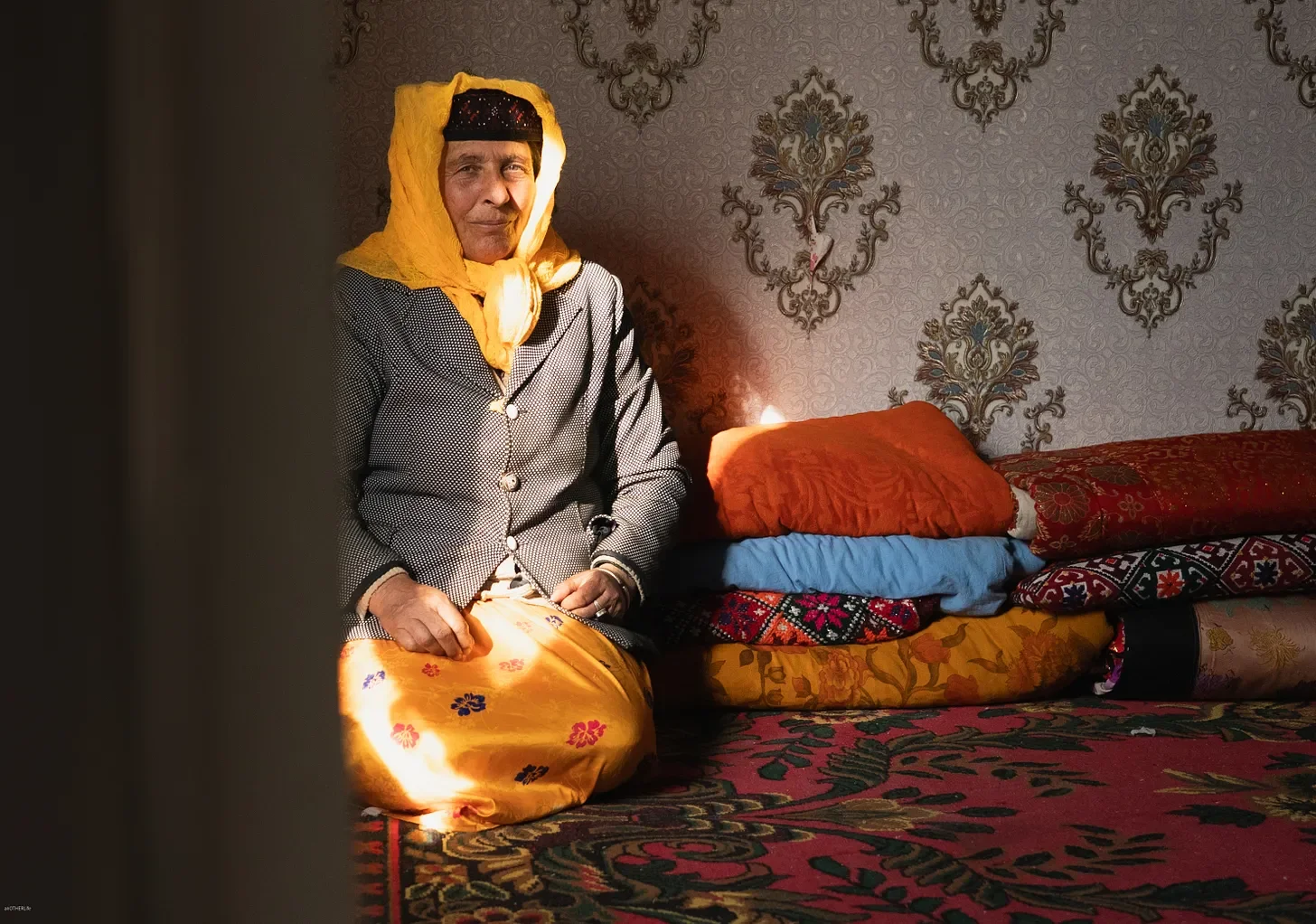
A Tajik woman, who welcomed us into her home, pauses to rest after a day of farm chores — one of the many faces of Xinjiang’s rich tapestry of ethnic groups.
So here, we try to weave together three threads in the fabric of Xinjiang: the gaze of a foreigner, the voices of Han Chinese residents, and the quiet truth of the Uyghur existence. These threads don’t always align. They pull in different directions. They tangle. They fray. Oftentimes, they resist being woven into a single, coherent whole.
Perhaps they were never meant to.
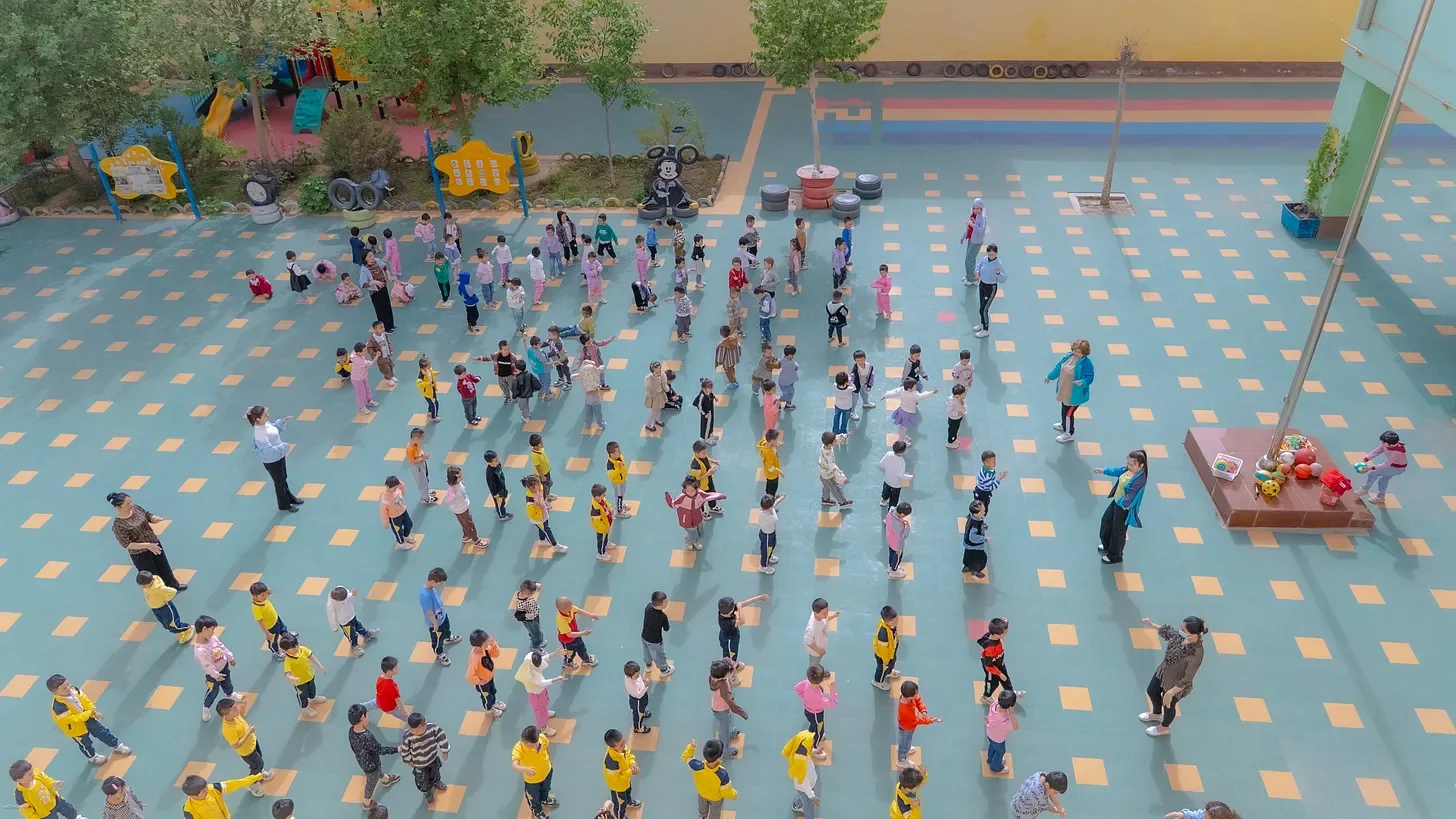
We watch as Uyghur children at a state-run kindergarten begin their day with morning exercises. This comes after the daily flag-raising ceremony where the children are taught to sing the Chinese national anthem.
This is the first of a multi-part series, to be released over the coming weeks. For the safety of those we met, some names and locations will be changed to shield them from potential retaliation by the authorities.
Part 2: The Foreign Tourist
Part 3: The Chinese Settler
Part 4: The Uyghur Native
